
Table of Contents
TogglePrinting Services – Professional and Affordable Printing Solutions at Nai Prints
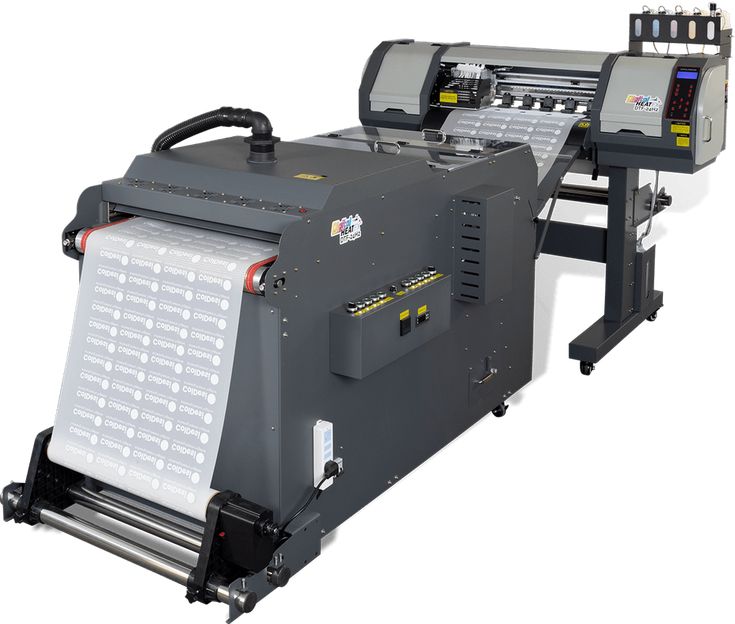
Printing services have been an essential part of communication and business operations for centuries. From the early days of the printing press to today’s advanced digital technologies, printing has evolved dramatically, enabling the mass production of text and images with remarkable precision and speed. Whether for personal use, marketing, education, or industry, printing services provide a vital bridge between ideas and their physical form, allowing messages to be shared widely and effectively. The ability to reproduce documents, photographs, and designs in high quality has made printing a cornerstone of modern society’s information exchange.
In today’s fast-paced world, printing services have adapted to meet the diverse needs of individuals and businesses alike. Modern printing companies offer a broad spectrum of options, ranging from traditional offset printing to cutting-edge digital and 3D printing technologies. These services encompass everything from business cards, brochures, and posters to large-scale banners and custom packaging. The integration of computer software with printing hardware has made customization and rapid turnaround times possible, empowering clients to create tailored printed materials that reflect their brand identity and communication goals with clarity and impact.
Beyond mere reproduction, printing services play a strategic role in branding, marketing, and customer engagement. High-quality printed materials help businesses establish credibility and professionalism while engaging their target audiences through visually appealing and tactile experiences. As competition grows, the demand for innovative, cost-effective, and environmentally conscious printing solutions continues to rise. Consequently, printing service providers invest in sustainable practices and advanced technologies to deliver not only excellence in print quality but also to reduce environmental footprints, making the industry an evolving and dynamic sector of the global economy.
1. Types of Printing Services
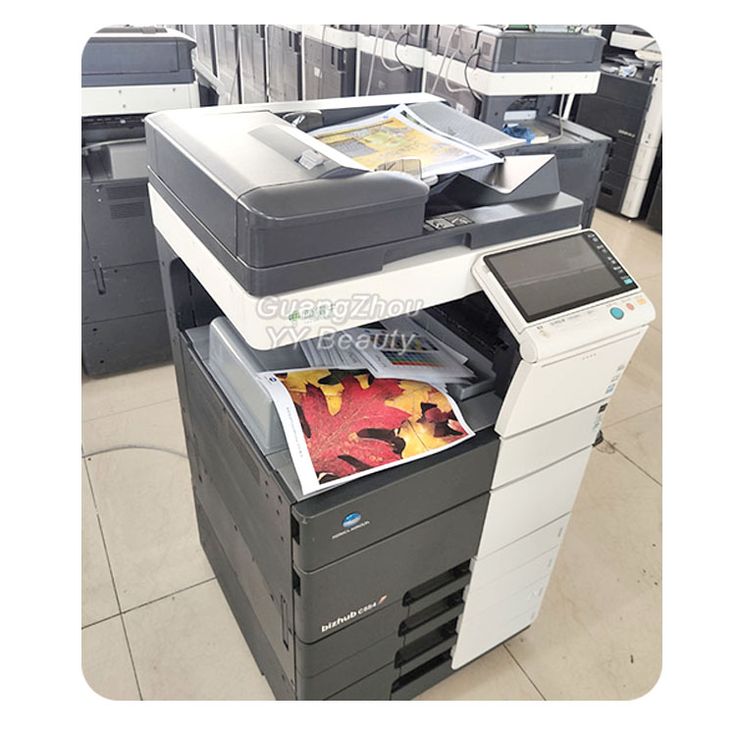
Printing technology has evolved to meet diverse needs, offering various methods tailored to different materials, volumes, and purposes. Each printing type has unique advantages and applications.
1.1 Offset Printing
Offset printing is a traditional technique where ink is transferred from a metal plate to a rubber blanket, then onto the printing surface. It is widely used for high-volume jobs because it produces sharp, clean images at a low cost per unit.
-
Advantages: Excellent color accuracy, smooth gradients, and fast production on large runs.
-
Common uses: Magazines, newspapers, brochures, and packaging.
-
Limitations: Less cost-effective for short runs due to setup time and plate costs.
1.2 Digital Printing
Digital printing directly transfers digital files to printing equipment, bypassing the need for plates. This method offers quick turnaround and flexibility, making it ideal for short runs or customized prints.
-
Advantages: Faster setup, cost-effective for small quantities, and allows variable data printing (personalized content).
-
Common uses: Business cards, flyers, personalized marketing materials, and short-run books.
-
Limitations: Generally higher cost per unit for large runs compared to offset printing.
1.3 Screen Printing
Screen printing pushes ink through a mesh stencil onto the printing surface. It is especially effective for printing on fabrics, plastics, and other non-paper materials.
-
Advantages: Durable prints with vibrant colors, suitable for various surfaces including textiles and promotional items.
-
Common uses: T-shirts, signage, posters, and labels.
-
Limitations: Not ideal for highly detailed images or photographic prints; setup can be time-consuming.
1.4 Flexographic Printing
Flexography uses flexible relief plates to print on a variety of surfaces, particularly packaging materials like plastic, foil, and cardboard.
-
Advantages: Fast drying inks, ability to print on diverse materials, and efficient for large-volume packaging runs.
-
Common uses: Food packaging, labels, newspapers, and wallpaper.
-
Limitations: Less suited for fine image detail compared to offset printing.
1.5 3D Printing
3D printing creates three-dimensional objects by layering material based on digital models. It is a relatively new printing technology mainly used for prototyping and manufacturing.
-
Advantages: Enables rapid prototyping, customization, and complex shapes that are difficult to produce with traditional methods.
-
Common uses: Product prototypes, medical models, custom tools, and parts.
-
Limitations: Generally slower and more expensive for mass production compared to traditional printing.
1.6 Large-Format Printing
Large-format printing produces oversized prints often used for banners, posters, and signage. It uses specialized printers that handle wide rolls of paper or vinyl.
-
Advantages: Ability to create eye-catching visuals on a large scale, durable outdoor materials available.
-
Common uses: Billboards, vehicle wraps, trade show displays, and building wraps.
-
Limitations: Lower resolution compared to smaller prints; usually more costly per square inch.
Each printing method brings specific strengths to different projects, helping businesses and individuals choose the right approach based on volume, material, and desired quality. Understanding these types allows for informed decisions that optimize both appearance and budget.
2. Applications of Printing Services
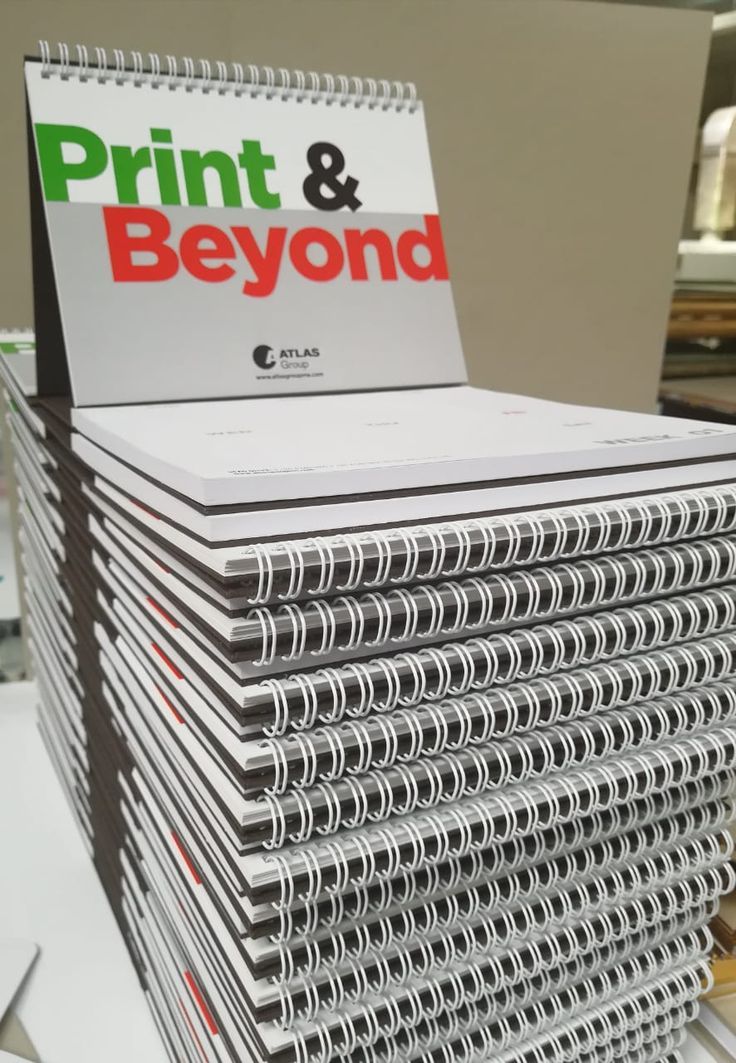
Printing services support many industries by producing materials that help communicate, promote, and organize information effectively. Each application is tailored to meet specific needs, from marketing to packaging.
2.1 Commercial and Marketing Materials
-
Brochures: These are folded printed pieces that provide detailed information about a company’s products or services, often used to educate or persuade potential customers.
-
Flyers: Usually single-sheet prints designed for mass distribution to quickly announce promotions, sales, or events. They are cost-effective and highly visible marketing tools.
-
Posters: Large-format prints intended to catch attention in public spaces. They combine bold visuals and concise messaging to promote brands or campaigns.
-
Catalogs: Printed compilations of products or services, allowing customers to browse options in detail, often used in retail and wholesale businesses.
-
Presentation folders: Branded folders designed to organize and hold important documents during sales meetings or conferences, adding a professional touch.
2.2 Office and Administrative Documents
-
Letterheads: Official stationery featuring company branding, used to maintain a professional image in formal communication and correspondence.
-
Business cards: Essential networking tools that provide contact information and create a lasting impression of professionalism.
-
Envelopes: Customized envelopes carry a company’s logo and contact details, reinforcing brand identity in all mailed communications.
-
Notepads: Branded pads used internally or as giveaways to increase brand visibility and encourage note-taking during meetings or events.
-
Reports and proposals: Printed materials used in corporate or academic settings to formally present data, ideas, or project plans in a polished and credible format.
2.3 Publishing
-
Books: Printed texts that serve various purposes, including education, storytelling, or reference, offering a tangible reading experience.
-
Magazines: Periodicals filled with articles, photography, and advertisements, targeting specific interests or industries.
-
Reports: Detailed documents produced by businesses, governments, or research institutions to present findings or annual summaries.
-
Newsletters: Regular updates printed and distributed to stakeholders, clients, or members to keep them informed and engaged.
-
Journals: Specialized publications containing academic or professional research, critical for knowledge sharing in various fields.
2.4 Event and Promotional Items
-
Invitations: Customized printed cards that set the tone for events like weddings or corporate functions, making guests feel valued.
-
Banners: Large prints used to decorate event venues or promote brands visibly during conferences, fairs, or festivals.
-
Programs: Printed schedules that guide attendees through event proceedings, enhancing organization and engagement.
-
Name tags: Personalized identification that helps networking and security during events.
-
Backdrop prints: Large branded visuals positioned behind speakers or photo booths to increase brand exposure and create memorable experiences.
2.5 Packaging and Labeling
-
Product boxes: Printed packaging that protects products and communicates brand identity, often the first physical touchpoint for customers.
-
Labels: Stickers or tags that provide essential product information such as ingredients, barcodes, or usage instructions.
-
Tags: Attached labels for clothing or merchandise that can display price, care instructions, or branding details.
-
Wrappers: Printed coverings that protect and promote items, commonly used in food and gift packaging.
-
Instruction manuals: Printed guides that help customers use products correctly, improving satisfaction and reducing support queries.
Printed materials enhance visibility, professionalism, and user experience across many contexts. They serve as powerful tools that help organizations connect with their audience, streamline operations, and strengthen brand presence.
3. Importance of Professional Printing Services
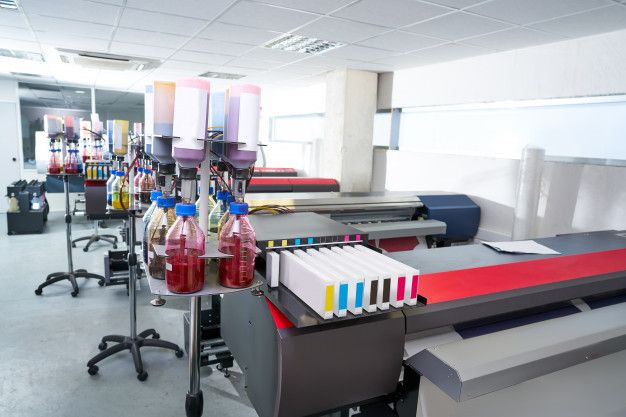
Professional printing services offer advantages that go beyond basic printing, ensuring that materials meet high standards, are cost-effective, and reinforce brand credibility.
3.1 Enhanced Quality and Consistency
-
Superior resolution: Professional printers use high-end machines that produce sharp images and clear text, avoiding blurriness or color mismatches.
-
Uniform output: When printing large quantities, consistency is key — professional services ensure every copy looks identical, maintaining a flawless presentation.
-
Quality materials: Access to premium paper stocks, inks, and finishes gives printed products a durable and sophisticated look.
-
Proofing and checks: Expert review processes catch errors early, preventing costly mistakes and ensuring that the final print matches the client’s expectations.
3.2 Time and Cost Efficiency
-
Bulk pricing: Ordering large quantities reduces the price per unit, making professional printing economical for mass production.
-
Fast turnaround: Modern equipment and streamlined workflows allow quick processing, meeting urgent deadlines without sacrificing quality.
-
Minimized waste: Efficient planning and precise printing techniques reduce leftover materials, saving money and being environmentally friendly.
-
One-stop solutions: Many professional printers offer design, printing, and finishing services all in one place, simplifying project management and communication.
3.3 Brand Identity and Professionalism
-
Consistent branding: Professional printing ensures that colors, logos, and fonts are reproduced accurately every time, reinforcing brand identity.
-
Professional appeal: High-quality printed materials signal seriousness and attention to detail, positively influencing customer perceptions.
-
Customer trust: Well-made brochures, cards, and packaging help build confidence and loyalty among consumers.
-
Recognition and recall: Strong, visually appealing prints make brands more memorable and easier to recognize in competitive markets.
3.4 Scalability for Bulk Printing
-
High-capacity machines: Professional print shops have equipment capable of producing thousands of copies efficiently while maintaining quality.
-
Flexible volumes: They can handle everything from small test runs to large orders, allowing clients to scale as needed.
-
Consistent performance: Throughout large print jobs, professional services maintain uniform quality, avoiding defects or variations.
-
Cost control: Outsourcing large print runs to professionals is more cost-effective than investing in expensive in-house equipment and materials.
By investing in professional printing services, businesses and individuals gain access to superior quality, reliability, and efficiency. This investment not only enhances the appearance of printed materials but also supports brand strength, operational ease, and growth potential.
4. Key Features to Consider in a Printing Service Provider
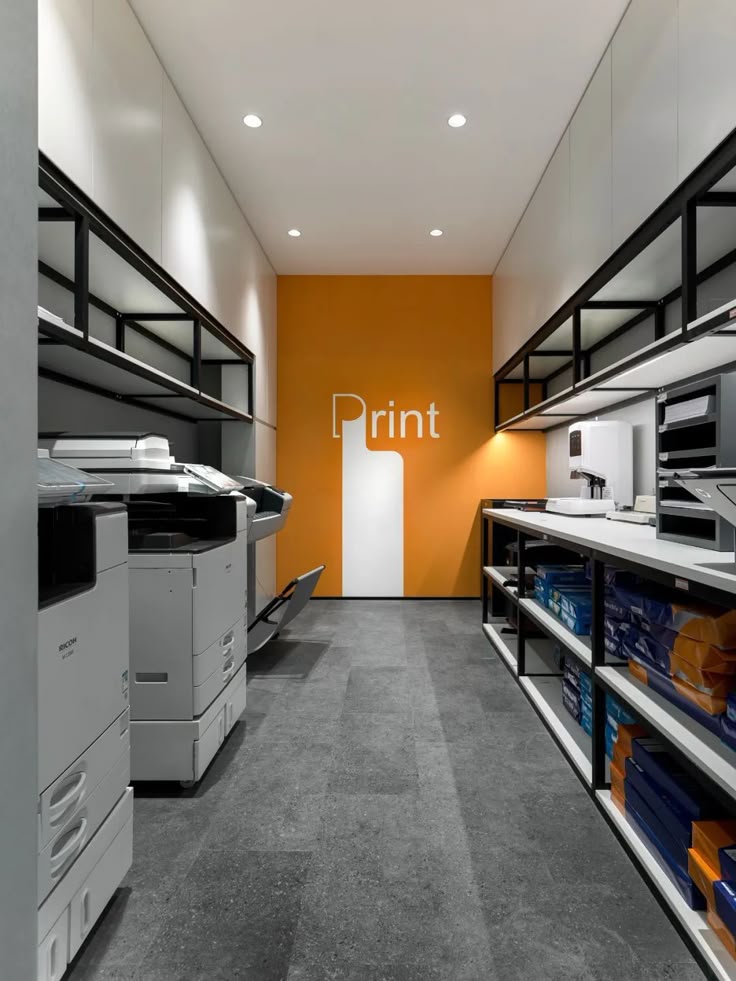
Selecting the right printing service provider is crucial to achieving high-quality results, efficient delivery, and overall satisfaction. Several important features should be evaluated before making a choice.
4.1 Print Quality and Equipment Used
-
The quality of printed materials largely depends on the technology and equipment a provider uses. Modern, well-maintained printers produce sharper images, accurate colors, and consistent results.
-
Providers with advanced digital and offset printing machines can handle a broader range of projects, from high-resolution photos to large-scale banners.
-
Equipment capability also affects the types of finishing options available, such as embossing, varnishing, or die-cutting, which add a professional touch to printed products.
4.2 Range of Services Offered
-
A versatile printing company offers a comprehensive selection of services, including various printing techniques, binding, lamination, and packaging solutions.
-
Access to diverse printing methods ensures the provider can meet different project requirements, whether it’s business stationery, promotional items, or specialty prints like 3D or large-format.
-
Some providers also offer design and pre-press services, which streamline the production process and help maintain quality control.
4.3 Turnaround Time and Delivery
-
Timely delivery is often critical, especially for marketing campaigns or events. Reputable printing services provide realistic turnaround times and communicate clearly about schedules.
-
Providers with fast production capabilities and flexible scheduling options offer a significant advantage in meeting tight deadlines.
-
Reliable delivery options, including shipping and local distribution, ensure printed materials arrive on time and in perfect condition.
4.4 Pricing and Value-Added Services
-
Competitive pricing is important but should be balanced with quality and service. Providers that offer transparent pricing structures help clients budget accurately without hidden costs.
-
Value-added services, such as free proofs, design consultations, or bulk order discounts, enhance the overall experience and provide additional benefits beyond just printing.
-
Some companies also offer eco-friendly printing options, appealing to environmentally conscious clients who want sustainable solutions.
4.5 Customer Support and Design Assistance
-
Excellent customer service helps resolve issues quickly and ensures a smooth printing process. Providers who are responsive, knowledgeable, and communicative foster stronger client relationships.
-
Design assistance can be especially valuable for clients without in-house designers. Skilled professionals help refine artwork, prepare files for printing, and offer creative advice to improve the final output.
-
Ongoing support after delivery, such as reordering help or troubleshooting, adds further value and convenience.
Choosing a printing service provider involves more than just comparing prices—it requires assessing the quality, range, reliability, and support that each company offers. These features collectively determine how well a printing partner can meet your needs and help your projects succeed.
5. Customization and Personalization Options

Modern printing services offer a wide range of customization and personalization choices, enabling businesses and individuals to create unique and impactful printed materials tailored to their specific needs.
5.1 Variable Data Printing
-
Variable data printing allows each printed piece to have unique information without slowing down the printing process. This technique is ideal for personalized marketing materials such as direct mail, invitations, or coupons.
-
By changing text, images, or graphics from one piece to the next, businesses can target different audiences more effectively, increasing engagement and response rates.
-
This customization boosts marketing ROI by making each print more relevant to the recipient, enhancing the overall effectiveness of campaigns.
5.2 Design Flexibility and File Formats
-
Printing providers that support a wide range of file formats allow clients to submit artwork created in different design programs, making the process seamless and adaptable.
-
Design flexibility also means accommodating various sizes, layouts, and special requests, ensuring the final product meets the client’s exact vision.
-
Some printers offer in-house design services or templates, helping clients who need creative support or guidance in preparing their files for production.
5.3 Specialty Finishes (Lamination, Embossing, Foil Stamping)
-
Specialty finishes elevate printed materials by adding texture, shine, or visual effects that capture attention and convey quality.
-
Lamination protects prints with a thin plastic coating, enhancing durability and giving a matte or glossy look.
-
Embossing creates raised designs that add tactile appeal and sophistication, often used on business cards or invitations.
-
Foil stamping applies metallic or colored foil to specific areas, creating a luxurious finish that stands out visually.
-
These finishing options help differentiate products and make a memorable impression on clients or customers.
5.4 Color Management and Proofing
-
Accurate color reproduction is essential for maintaining brand consistency and ensuring that prints match the original design intent. Professional printers use color management systems to control hues, brightness, and contrast throughout the production process.
-
Proofing allows clients to review a sample or digital preview before full production begins. This step helps identify any errors or color discrepancies early, saving time and resources.
-
Effective proofing and color management reduce waste and increase confidence in the final product’s appearance.
Customization and personalization in printing empower clients to produce materials that truly reflect their brand and message. These options not only enhance visual appeal but also increase the effectiveness and professionalism of printed communications.
6. Trends and Innovations in the Printing Industry

The printing industry continually evolves with new technologies and practices that improve sustainability, convenience, and interactivity. Staying aware of these trends helps businesses leverage the latest advances to gain a competitive edge.
6.1 Eco-Friendly Printing Solutions
-
Environmental sustainability has become a major focus, leading to the adoption of eco-friendly printing materials and processes.
-
These solutions include using recycled papers, soy-based or vegetable-based inks, and energy-efficient printing equipment.
-
Many providers also implement waste reduction strategies and environmentally responsible disposal methods.
-
Choosing green printing options helps reduce the carbon footprint and appeals to environmentally conscious consumers.
6.2 Cloud-Based Printing and Remote Orders
-
Cloud-based printing services enable clients to upload, approve, and manage print jobs online from any location, streamlining workflows and reducing the need for in-person visits.
-
This digital integration supports remote work trends and makes it easier to coordinate large or complex projects involving multiple stakeholders.
-
It also allows real-time tracking of orders, instant communication, and faster turnaround times.
6.3 Integration of AR and QR Codes in Prints
-
Augmented Reality (AR) and QR codes add an interactive layer to printed materials, bridging the gap between physical and digital media.
-
QR codes can link to websites, videos, or promotional content, making prints more engaging and measurable.
-
AR technology allows users to scan printed materials with their smartphones to access 3D models, animations, or additional information, enhancing user experience.
-
This integration creates innovative marketing opportunities and enhances customer engagement.
6.4 On-Demand Printing and Short-Run Capabilities
-
On-demand printing enables quick production of small quantities, reducing inventory costs and minimizing waste.
-
Short-run capabilities allow businesses to test new products, update marketing materials frequently, or customize prints without large upfront commitments.
-
This flexibility supports agile marketing strategies and caters to evolving consumer needs efficiently.
-
Advances in digital printing technology have made on-demand printing more accessible and affordable than ever before.
Embracing these trends and innovations empowers businesses to produce high-quality, sustainable, and interactive printed materials while adapting to changing market demands and consumer preferences.
7. Challenges in the Printing Industry
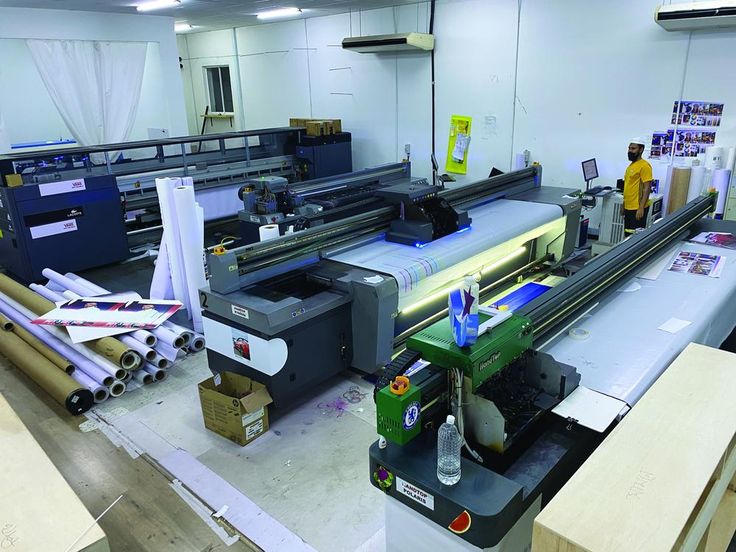
Despite ongoing advancements, the printing industry faces several challenges that impact operations, costs, and sustainability. Understanding these obstacles is key to developing effective strategies for success.
7.1 Rising Operational Costs and Raw Material Prices
-
The cost of essential materials like paper, ink, and packaging supplies has increased significantly, putting pressure on profit margins.
-
Energy expenses and maintenance of advanced printing equipment also contribute to rising operational costs.
-
These price fluctuations can make budgeting difficult, especially for smaller printing businesses with limited financial flexibility.
-
Managing costs without compromising quality is an ongoing challenge for many providers.
7.2 Shifts Toward Digital and Paperless Solutions
-
The increasing use of digital media and paperless communication reduces demand for traditional printed materials such as newspapers, catalogs, and brochures.
-
Businesses and consumers are opting for electronic alternatives due to convenience and cost savings.
-
This shift forces printing companies to diversify their offerings, innovate, and focus on niche markets where print still holds strong value.
-
Adapting to changing consumer behaviors is crucial for maintaining relevance in a digital-first world.
7.3 Maintaining Print Quality in High-Volume Jobs
-
Large print runs require careful monitoring to ensure every copy meets quality standards without defects or color inconsistencies.
-
Mechanical wear and ink variations can cause issues, leading to waste or reprints that increase costs and delay delivery.
-
Skilled technicians and advanced quality control systems are necessary to sustain high standards across bulk jobs.
-
Balancing speed with precision is a constant operational challenge.
7.4 Environmental and Regulatory Compliance
-
Increasing environmental regulations mandate stricter controls on waste disposal, emissions, and use of hazardous substances in printing processes.
-
Compliance requires investments in eco-friendly materials, equipment upgrades, and sometimes costly certifications.
-
Failure to meet regulations can result in fines, reputational damage, and loss of business opportunities.
-
Printing companies must stay informed and proactive in meeting legal and environmental standards to operate responsibly and competitively.
Navigating these challenges requires innovation, strategic planning, and a commitment to quality and sustainability. Printing businesses that adapt effectively can continue to thrive despite the evolving industry landscape.
8. Frequently Asked Questions (FAQ) On Printing Services
8.1 What’s the difference between digital and offset printing?
Digital printing transfers digital files directly to the printer, making it ideal for short runs and quick turnaround. Offset printing uses metal plates and rubber blankets to transfer ink, which is more cost-effective and produces higher quality results for large volume jobs.
8.2 How long does a typical print job take?
Turnaround times vary depending on the complexity and size of the job. Small digital print jobs can be completed within hours to a day, while large offset or specialty prints may take several days to a week. Always check with your provider for specific timelines.
8.3 Can I print using my own designs?
Yes, most printing services accept customer-submitted designs. It’s important to ensure files meet the printer’s specifications for resolution, color mode, and file format to achieve the best results.
8.4 What file formats are best for print?
Commonly preferred formats include PDF, TIFF, EPS, and high-resolution JPEG or PNG files. These formats preserve image quality and ensure compatibility with professional printing equipment.
8.5 Do printing services offer eco-friendly options?
Many providers now offer environmentally friendly printing options, such as recycled paper, soy-based inks, and sustainable packaging. Be sure to inquire about green printing choices when selecting a service.
8.6 Is it possible to print small quantities without high costs?
Yes, digital printing enables cost-effective short runs and on-demand printing. This allows businesses to print smaller quantities without the high setup costs associated with traditional methods like offset printing.
The Enduring Value and Future of Printing Services
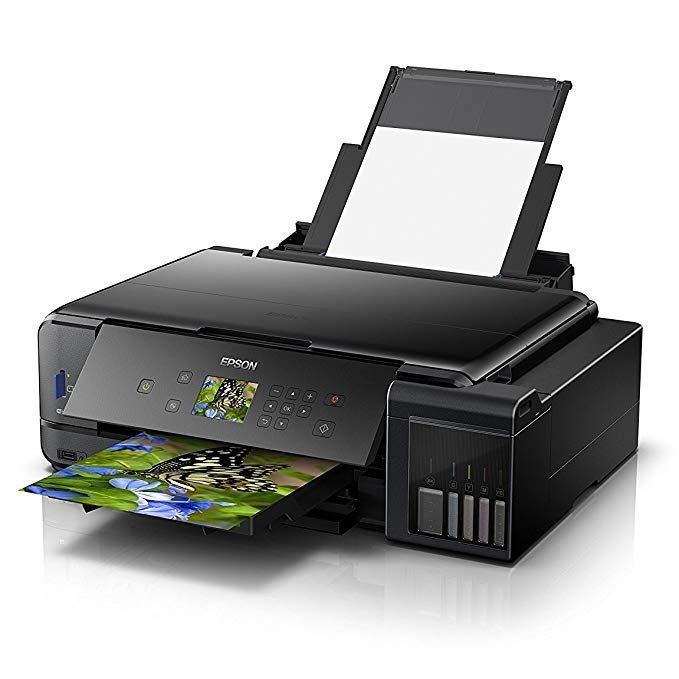
Printing services continue to play a vital role in communication and branding by offering a range of methods suited to different needs, from traditional offset to modern digital and 3D printing. Professional providers ensure quality and offer customization options that help businesses create impactful printed materials.
The industry is evolving with innovations like eco-friendly printing, cloud-based ordering, and interactive features such as AR and QR codes. These trends enhance print functionality and address growing demands for sustainability and convenience, even as challenges like rising costs and digital alternatives persist.
Choosing the right printing partner means balancing quality, services, turnaround time, and support. With a clear understanding of available options and trends, businesses can effectively use print to strengthen their brand and communication strategies.


