No Cut Printing Services: Precision Prints Without the Hassle

In today’s fast-paced world of design, branding, and product presentation, precision and efficiency in printing have become more important than ever. Whether it’s a business seeking sleek packaging, a creative agency developing promotional materials, or an individual printing custom labels, the demand for high-quality, cost-effective solutions is on the rise. This is where No Cut Printing Services come into play—a modern printing approach that eliminates the traditional step of trimming or cutting printed materials after production.
No Cut Printing is a method designed to streamline the printing process by producing finished materials that do not require post-print cutting or trimming. Instead of printing on larger sheets and then trimming them down to the desired size, no cut printing involves printing directly onto pre-sized media with pinpoint alignment. This results in cleaner edges, faster turnaround times, and reduced material waste—all without compromising on quality or detail.
As businesses continue to seek out more efficient and sustainable practices, no cut printing is quickly gaining traction across various industries. From commercial labels and retail tags to personalized merchandise and marketing collateral, this service offers a level of precision and speed that aligns perfectly with modern production needs. This article explores what No Cut Printing is, how it works, its benefits, real-world applications, and how to choose the right provider—along with answers to some of the most frequently asked questions about this innovative solution.
1. What Is No Cut Printing?

No cut printing is a modern heat transfer printing technique designed to eliminate the need for manual trimming of excess film or material around a printed design. It streamlines the application process by transferring only the printed area, leaving no outlines, borders, or carrier residue behind. This technology has gained attention in fashion, branding, and merchandising due to its ability to deliver crisp, clean finishes with minimal post-processing. The approach not only saves time but also enhances the final look of the product by creating seamless transfers.
1.1 Definition and Key Concepts
No cut printing refers to a transfer method where the design is applied to a surface—usually fabric—without needing to physically trim or weed the unprinted parts of the transfer sheet. The process uses specially coated films and adhesives that activate only under heat and pressure, releasing the print cleanly onto the target surface.
-
The “no cut” label signifies that there’s no need to manually remove excess film.
-
Designs are printed and transferred with high precision, reducing labor.
-
Heat-activated adhesives isolate only the inked design, leaving no visible carrier residue.
-
This method is compatible with various fabric types and colors.
-
It delivers a professional, edge-free finish suitable for fashionwear and branded items.
This concept simplifies the production process, especially in bulk or complex orders, while maintaining design accuracy and appearance.
1.2 What “No Cut” Means in Printing
In printing terms, “no cut” describes the absence of trimming or weeding usually required after printing on transfer paper or film. Traditional methods often involve manually cutting out designs or using plotters to contour-cut shapes, but no cut printing skips this step entirely. The adhesive used only bonds where the ink is present, ensuring a clean and borderless transfer.
-
There’s no need to cut away excess vinyl or film after printing.
-
The film automatically separates the printed portion from the rest during heat pressing.
-
It eliminates jagged edges or borders that reduce visual appeal.
-
The process reduces production time significantly.
-
It’s especially beneficial for detailed or multi-colored designs.
By removing the trimming step, this method offers efficiency without sacrificing print quality.
1.3 How It Differs from Conventional Trimming Methods
Traditional trimming techniques involve either manual cutting with scissors or automated cutting using plotters and cutters. These methods can be time-consuming and are prone to human error, especially for intricate designs. No cut printing, on the other hand, relies on technology and chemistry to separate the design cleanly without any extra steps.
-
Traditional methods require tools and time to cut around the design.
-
No cut printing uses a chemical adhesive layer that activates only where ink is applied.
-
Conventional trimming may leave visible outlines; no cut does not.
-
With fewer steps, production becomes faster and less labor-intensive.
-
The finished product appears cleaner and more professional.
The difference lies in automation and precision, making no cut printing a superior choice for streamlined operations.
No cut printing offers a simplified, clean alternative to traditional trimming processes by eliminating the need to manually cut out printed designs. It enhances efficiency, especially for high-volume or highly detailed orders, while producing high-quality results on a variety of materials. This technique stands out in the modern printing landscape for its ability to combine speed, accuracy, and visual excellence without additional finishing steps.
2. How No Cut Printing Works

No cut printing is powered by advanced printing technologies that combine high-resolution imaging, precision engineering, and intelligent software control to produce transfer-ready designs with no manual trimming. The process is engineered to streamline production and ensure accuracy across various materials, offering time savings and consistent results. Whether for custom apparel, promotional materials, or product labeling, this method integrates hardware, workflow, and material compatibility into a seamless system.
2.1 Technology Involved
The success of no cut printing relies heavily on the integration of specific hardware and software components. These tools are designed to work in unison, ensuring that the printed design is transferred exactly as intended—without additional cutting or weeding.
-
Digital printing hardware such as DTF or white toner printers ensure high-resolution output.
-
Precision feeding mechanisms guide transfer sheets or films through the printer with exact alignment, minimizing registration errors.
-
Software alignment tools allow users to fine-tune positioning and sizing for edge-to-edge accuracy.
-
Thermal transfer elements ensure consistent heat and pressure during application.
-
Sensors and microcontrollers automate adjustments based on media type and thickness.
The equipment enables seamless, contactless transitions from digital artwork to physical prints, removing the need for manual finishing steps.
2.2 Step-by-Step Workflow
The no cut printing process follows a streamlined sequence that maximizes efficiency while maintaining print quality. From design to final application, each step is optimized to eliminate extra handling.
-
Design preparation begins in graphic design software, where the artwork is arranged with attention to size, resolution, and color profiles.
-
Machine configuration involves selecting the appropriate print settings for the material and film type being used.
-
Print execution is carried out with no trimming stage; the printer lays down the image precisely, and heat bonding applies it directly to the fabric or substrate.
-
The final output appears clean and polished, with no leftover borders or edges to remove.
-
Post-press inspection ensures that the transfer was complete and adheres properly.
This approach accelerates production and enhances consistency, particularly in high-volume operations.
2.3 Materials and Compatibility
No cut printing works with a wide variety of materials and finishes, making it adaptable for different industries and creative needs. However, the right material must be selected based on the printer type, ink behavior, and intended use.
-
Supported substrates include PET transfer films, specialty heat transfer paper, and coated label materials.
-
Compatible finishes range from matte and satin to high-gloss, depending on the visual effect desired.
-
Environmental considerations like humidity, temperature, and ink absorption rates affect transfer quality and durability.
-
Some media include release coatings that respond precisely to heat, further enhancing the no cut effect.
-
Material selection also influences wash durability and feel, especially in textile applications.
Choosing the appropriate material ensures successful transfers and reduces the chances of design flaws or poor adhesion.
No cut printing operates through a precise combination of advanced equipment, intelligent workflow, and compatible materials to produce clean, ready-to-use transfers without the need for trimming. The technology reduces manual labor while enhancing print quality, making it ideal for both industrial and creative applications. By relying on synchronized systems and media engineered for direct transfer, this process redefines efficiency and professionalism in modern printing.
3. Advantages of No Cut Printing

No cut printing offers more than just convenience—it delivers tangible benefits across production, quality, and environmental impact. By eliminating the trimming phase, this method introduces operational efficiencies, improves visual outcomes, and aligns with growing demands for eco-friendly practices. Its value is evident in both small-scale custom projects and high-volume commercial applications, making it an increasingly preferred choice in the modern printing industry.
3.1 Time and Cost Efficiency
One of the most immediate benefits of no cut printing is the savings in both time and cost. Traditional print-and-cut processes require manual labor or plotter machinery to trim each design, which not only slows production but also increases overhead. No cut technology streamlines this by delivering finished designs in fewer steps.
-
Shorter production timelines mean that jobs are completed faster, increasing throughput.
-
Lower labor costs result from reduced hands-on involvement and simplified workflows.
-
Less material waste is generated because there’s no need to cut around the design or dispose of excess film.
-
Faster turnaround enables businesses to meet tight deadlines or fulfill rush orders.
-
The process is well-suited for automation, which further reduces operating costs.
This efficiency allows print providers to operate more competitively and deliver higher volumes without compromising profitability.
3.2 Enhanced Print Quality
No cut printing is engineered to ensure exceptional design precision and consistency. Without manual trimming, there are fewer chances for cutting errors, uneven edges, or misaligned applications. This results in cleaner, more appealing finished products.
-
Edge-to-edge precision ensures that designs are applied exactly as intended.
-
Fewer misalignments or registration errors occur, reducing reprints and material loss.
-
The absence of border residue gives a cleaner, sharper look.
-
Consistency is maintained across multiple items, even in bulk production.
-
The method is ideal for detailed graphics and multi-color layouts that would be difficult to trim manually.
The visual clarity and seamless application make this method ideal for high-end garments, promotional items, and professional branding projects.
3.3 Sustainability Benefits
As the printing industry faces increasing pressure to reduce its environmental footprint, no cut printing presents a more sustainable alternative. The method reduces the need for excess consumables and streamlines processes that typically require more energy and material use.
-
Less paper and ink waste is produced due to the direct transfer mechanism.
-
Reduced energy use results from fewer production steps and no need for trimming machinery.
-
Brands benefit from promoting environmentally conscious production methods.
-
Materials used are often designed for eco-efficient processing, including biodegradable adhesives and recyclable films.
-
Lower waste generation supports cleaner workspaces and simplified waste management.
These advantages make no cut printing not only efficient but also more aligned with modern sustainability goals.
No cut printing delivers a compelling set of benefits that cater to both economic and environmental priorities. It speeds up production, reduces operational costs, and produces cleaner results without the flaws associated with manual trimming. At the same time, it supports more sustainable practices by minimizing waste and conserving resources. These strengths make it a forward-thinking solution for businesses looking to balance quality, efficiency, and environmental responsibility.
4. Common Uses and Applications

No cut printing is highly adaptable, making it a practical choice across numerous industries and sectors. Its ability to provide clean, fast, and durable prints without trimming has positioned it as a preferred solution in both commercial and creative contexts. Whether it’s for mass-produced business materials, custom branding elements, or product packaging, no cut technology enhances both functionality and presentation.
4.1 Business and Industrial Printing
In industrial and business settings, efficiency and reliability are top priorities. No cut printing supports these needs by enabling fast, consistent production of essential printed items that require durability and clarity.
-
Product packaging and barcode labels benefit from the clean-cut application that ensures scannability and durability.
-
Instruction manuals and brochures printed using no cut methods avoid frayed edges or misalignments, improving presentation and usability.
-
Branded shipping materials like boxes, tape, or envelope stickers are produced faster and with better adhesion using no cut transfer methods.
-
Business compliance items (e.g., safety or logistics labels) require precision, which no cut printing delivers.
-
Bulk documentation can be produced with fewer errors and handling requirements.
The method’s speed and accuracy support high-volume output without sacrificing quality, making it ideal for operations with fast-paced supply chains.
4.2 Creative and Marketing Projects
No cut printing is equally popular in the creative sector, where visual appeal and customization are key. Designers and marketers turn to this method for its ability to deliver high-resolution, seamless designs quickly and affordably.
-
Stickers and decals are applied without visible edges, resulting in a more professional, polished finish.
-
Event flyers and banners benefit from edge-to-edge color printing without trimming lines, which enhances visual impact.
-
Custom promotional products like mugs, notebooks, and tote bags can be personalized with intricate designs using no cut techniques.
-
Short-run print jobs become more feasible without manual cutting or high setup costs.
-
Printmakers have more freedom with materials, formats, and finishes thanks to the versatility of this method.
The reduced prep time and clean visuals make this a favorite for campaign materials, product launches, and personal projects.
4.3 Retail and E-Commerce
Retailers and online sellers often need high-quality, branded printed materials to enhance the customer experience and support logistics. No cut printing supports the speed and customization that today’s retail and e-commerce landscapes demand.
-
Price tags and shelf labels are printed clearly and applied efficiently without edge trimming.
-
Thank-you cards and inserts add a personal touch to packages and are easier to produce using no cut transfer sheets.
-
Customizable product branding—like logos on packaging or care labels on garments—becomes faster and more affordable.
-
Seasonal or promotional designs can be updated quickly with low production overhead.
-
Labels and inserts maintain alignment and finish quality, reducing returns or brand confusion.
This approach helps retailers stay agile, providing appealing, branded content that supports sales and enhances customer loyalty.
No cut printing serves a wide range of purposes, from corporate logistics and product labeling to creative marketing and e-commerce branding. Its ability to handle both functional and decorative tasks with speed and consistency makes it an essential tool across different industries. Whether used to streamline operations or elevate visual branding, this printing method delivers reliability, polish, and adaptability on every application.
5. Comparing No Cut with Traditional Printing
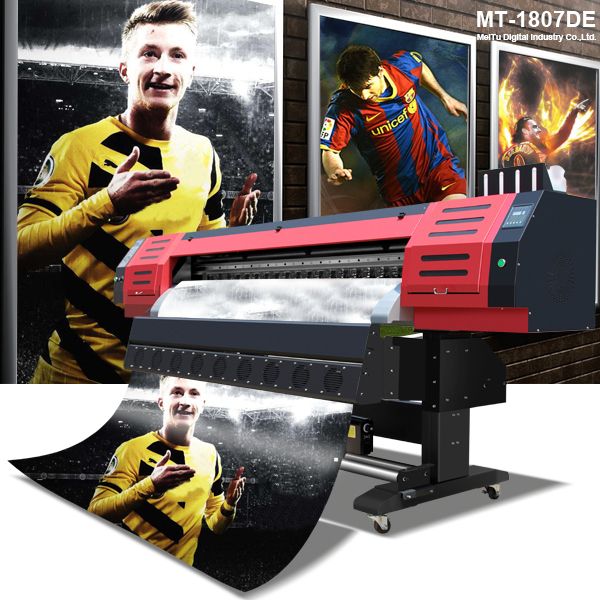
No cut printing represents a significant advancement over traditional print-and-cut methods. By removing the manual or machine-based trimming stage, it simplifies production, improves consistency, and introduces cost-saving efficiencies. A clear comparison between both methods reveals fundamental differences in workflow, output quality, and resource demands, helping businesses determine the best fit for their specific goals and operations.
5.1 Workflow Differences
The production workflows for no cut and traditional printing differ in key areas, particularly in the handling and finishing stages. No cut printing condenses the process by integrating finishing into the print phase, while conventional techniques often require multiple steps and additional manual involvement.
-
Manual cutting in traditional printing adds a separate phase, which often requires time-consuming trimming of each piece.
-
Automated finish in no cut printing eliminates that extra step, as the design is ready for application immediately after printing.
-
Time and labor comparison shows no cut printing is faster, reducing the need for skilled hands to manage blades or cutting plotters.
-
Complexity of each process favors no cut printing for its streamlined structure and easier training curve.
-
Reduced handling minimizes the chance of smudging, tearing, or miscutting during production.
This difference in workflow translates directly into shorter turnaround times and a more efficient use of labor, especially for businesses processing large orders.
5.2 Quality and Output
Visual consistency and scalability are key performance indicators in printing. While traditional methods can yield excellent results, they rely more heavily on the operator’s precision, making them more prone to inconsistency, especially in bulk production.
-
Visual results from no cut printing tend to be sharper and cleaner due to direct transfer without rough or uneven edges.
-
Risk of human error increases in traditional printing during the trimming stage, leading to misalignments or off-centered cuts.
-
Scalability and mass production benefit more from no cut printing, as the streamlined process adapts better to automation and repetition.
-
Quality control is easier with no cut systems because fewer manual steps are involved.
-
Uniformity is more achievable in no cut workflows, supporting consistent branding and design clarity.
The controlled and digital nature of no cut printing enhances overall presentation while lowering the chances of print variation.
5.3 Cost and Resource Allocation
Beyond equipment and materials, printing methods vary significantly in how they consume time, labor, and resources. Over time, no cut printing can offer greater economic advantages despite an initial investment in specialized technology.
-
Equipment investment for no cut systems may be higher upfront due to advanced machinery and software.
-
Long-term savings come from lower labor costs, less material waste, and faster production rates.
-
Resource management improves since fewer consumables are used, and less time is required for each print.
-
Maintenance demands are often lower due to fewer mechanical components like cutting blades.
-
Businesses experience better return on investment as volume increases and efficiency compounds.
In the long run, no cut printing offers a more sustainable and financially viable model, especially for operations aiming to scale.
No cut printing differs from traditional techniques in its approach to workflow, product quality, and resource use. It simplifies the production process, provides more consistent and polished results, and optimizes cost-efficiency across different project sizes. These distinctions make it a strategic choice for businesses focused on modernization, faster turnaround, and high-quality output with fewer operational complications.
6. Selecting a No Cut Printing Provider

Choosing the right no cut printing provider is crucial to ensuring quality, reliability, and value for your printing needs. With the growing popularity of this technology, the market features a range of service providers, but not all offer the same level of professionalism, equipment standards, or customer care. Knowing what to look for—and what to avoid—can make the difference between a smooth project and one filled with delays or disappointing results.
6.1 Key Evaluation Criteria
Before partnering with a printing service, it’s important to assess their capabilities and resources. The core aspects of their operation—technology, skill, and delivery performance—offer insight into whether they can consistently meet your expectations.
-
Equipment quality and range determines how advanced their technology is and what formats or materials they can handle.
-
Technical experience and portfolio help evaluate the provider’s expertise and the variety of previous successful projects.
-
Turnaround time reflects the provider’s ability to deliver on deadlines, which is essential for time-sensitive orders.
-
Service flexibility and customizability are also indicators of a provider that can adapt to your unique needs.
-
The use of high-end no cut systems suggests better efficiency and final print quality.
These factors help assess whether the provider is equipped to deliver both small runs and bulk orders with precision and speed.
6.2 Questions to Ask Vendors
When engaging with potential providers, asking the right questions can uncover vital details that aren’t always visible on websites or brochures. These inquiries focus on capabilities, service offerings, and support options.
-
Do they offer file setup support for clients who may not have advanced design skills?
-
What’s the capacity for bulk orders, and how do they manage scaling without compromising quality?
-
Is there a sample or test print option to evaluate the output before committing to a full job?
-
How do they handle revisions or design tweaks?
-
Are customer service channels responsive and easy to reach?
Asking these questions ensures transparency and gives confidence that the vendor is prepared to collaborate on your terms.
6.3 Common Red Flags to Avoid
While some providers may appear capable, there are warning signs that indicate a potential mismatch. Being alert to these early can help avoid problems with quality, timelines, or communication.
-
Inconsistent quality across different batches or projects can reflect poor process control or outdated equipment.
-
Lack of customer support suggests the provider may not be dependable if issues arise during production.
-
Vague pricing structures can lead to hidden charges or unexpected costs once the job is underway.
-
Poor communication or unclear terms of service may indicate a lack of professionalism.
-
A limited or outdated portfolio could suggest inexperience with modern no cut methods.
Avoiding these pitfalls ensures you work with a partner who values reliability, clarity, and consistent output.
Choosing the right no cut printing provider involves careful evaluation of their technical capacity, customer service, and business practices. Understanding what makes a provider dependable—and what might cause future setbacks—empowers businesses and individuals to make informed, confident decisions. With the right partner, no cut printing becomes a seamless and high-impact addition to your branding or production strategy.
7. Challenges and Limitations

Despite its many advantages, no cut printing also faces certain challenges and limitations that users and providers must consider. These constraints affect design flexibility, material compatibility, and operational complexity. Understanding these issues helps manage expectations and enables better planning for successful outcomes.
7.1 Design Limitations
No cut printing imposes specific restrictions on design execution that may require adjustments or additional care during preparation.
-
Size constraints limit the maximum dimensions that can be printed without cutting or trimming, affecting large-scale projects.
-
Borderless design challenges arise because achieving perfect edge-to-edge prints without a cut border requires precise machine calibration.
-
Overprint and bleed setup must be handled carefully to avoid unwanted color overlap or edge artifacts.
-
Complex gradients or very fine details may require special attention to avoid blurring or color inaccuracies.
-
Designs must often be optimized to suit the specific capabilities of no cut printing technology.
These design factors mean some creative ideas might need modification or testing to ensure they translate well onto the chosen materials.
7.2 Material Restrictions
No cut printing works well with many substrates but is not universally compatible. Material properties can impact print quality and durability.
-
Certain substrates may be unsuitable due to their thickness, surface texture, or flexibility.
-
Textured or highly absorbent materials may prevent the adhesive or ink from bonding effectively.
-
Ink compatibility issues can arise, especially with specialty or non-standard inks that don’t work well in no cut printing processes.
-
Some materials require pre-treatment or additional finishing steps to ensure proper adhesion and longevity.
-
Limited substrate choices may restrict the application range for specific projects.
Understanding these material limitations ensures the correct selection of fabrics or surfaces, avoiding wasted time and resources.
7.3 Learning Curve and Setup
No cut printing requires precise preparation and skilled operation, introducing a learning curve that impacts initial setup and ongoing production.
-
File formats must be exact and compatible with the printing software to avoid errors during printing.
-
Operator experience is critical; novices may struggle with color management, alignment, or machine calibration.
-
Machine calibration and maintenance take time and expertise to achieve consistent results.
-
Initial setup may require trial runs and adjustments before full production can begin.
-
Training and technical support are necessary to maintain quality and maximize equipment lifespan.
The complexity of these operational factors means businesses must invest in training and technical knowledge to fully benefit from no cut printing.
No cut printing presents unique challenges related to design flexibility, material compatibility, and operational skill requirements. While these limitations do not diminish its advantages, they highlight the need for careful project planning and provider expertise. Addressing these factors upfront enables smoother workflows, higher quality results, and better long-term satisfaction with the printing process.
Essential Questions About No Cut Printing Services
What is no cut printing best used for?
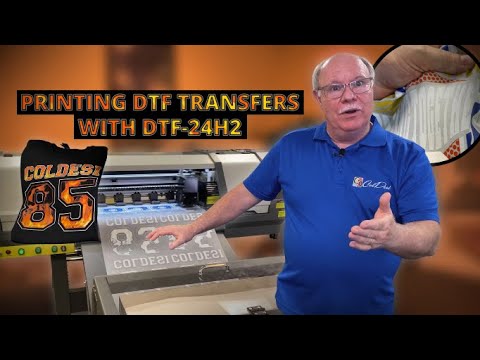
No cut printing is ideal for projects that require clean, edge-to-edge designs without manual trimming. It suits businesses and creatives looking for precision and efficient use of materials.
Is it more expensive than traditional printing?
While the equipment investment is higher, overall costs are often lower due to reduced labor and material waste, making it cost-effective in the long run.
Who benefits most from this service?
Small and large businesses, designers, and marketing teams who need consistent, high-quality prints gain the most from no cut printing.
Can I print full-bleed designs?
Yes, no cut printing supports full-bleed printing, but requires high-resolution files and precise calibration to ensure flawless results.
What file format should I submit?
High-resolution PDFs, TIFFs, or vector-based files like AI or EPS are preferred to achieve the best print accuracy.
Is there a maximum size for prints?
Print sizes depend on the equipment used by the provider. It’s important to confirm size limits beforehand.
How long does the printing take?
Printing is generally faster with no cut technology since the cutting step is eliminated, speeding up order completion.
Can I get a sample before placing a bulk order?
Yes, providers often offer sample prints so customers can assess quality prior to large orders.
Do providers offer delivery or pickup options?
Flexible delivery or pickup options are commonly available to suit customer preferences.
For more information, visit naiprints.co.ke.
This section covers frequent questions to help customers understand the practical aspects and benefits of no cut printing, guiding them toward confident decisions when choosing services in Nairobi.